


en
 Ev / Haberler / Sektör haberleri / Polyester Fantazi İpliği Modern Tekstil Üretiminde En İyi Tercih Yapan Nedir?
Sektör haberleri
Polyester Fantazi İpliği Modern Tekstil Üretiminde En İyi Tercih Yapan Nedir?
2026-05-21
Polyester Fantezi İplik Nedir?
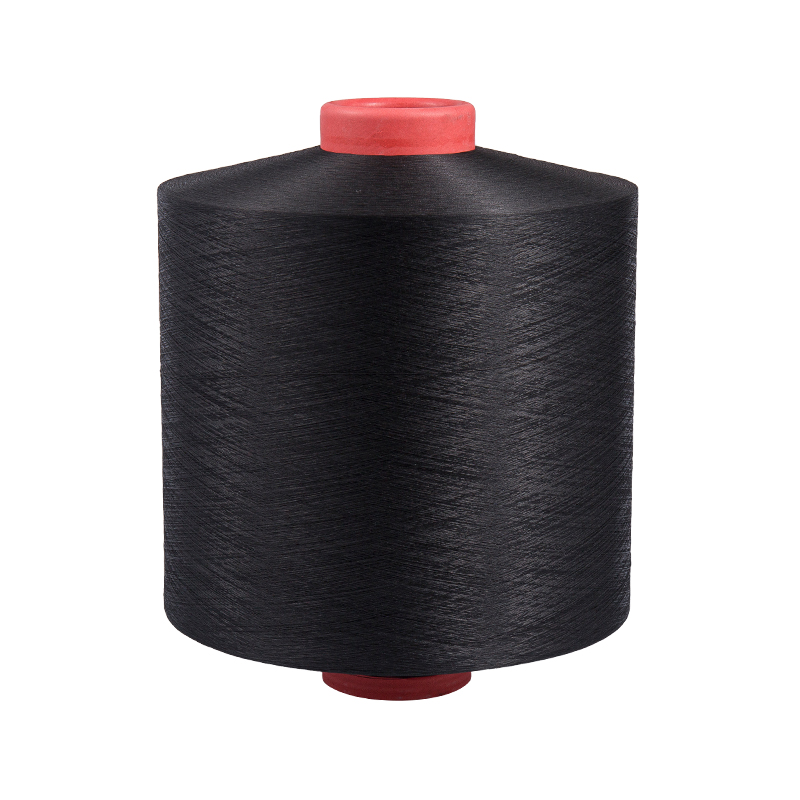
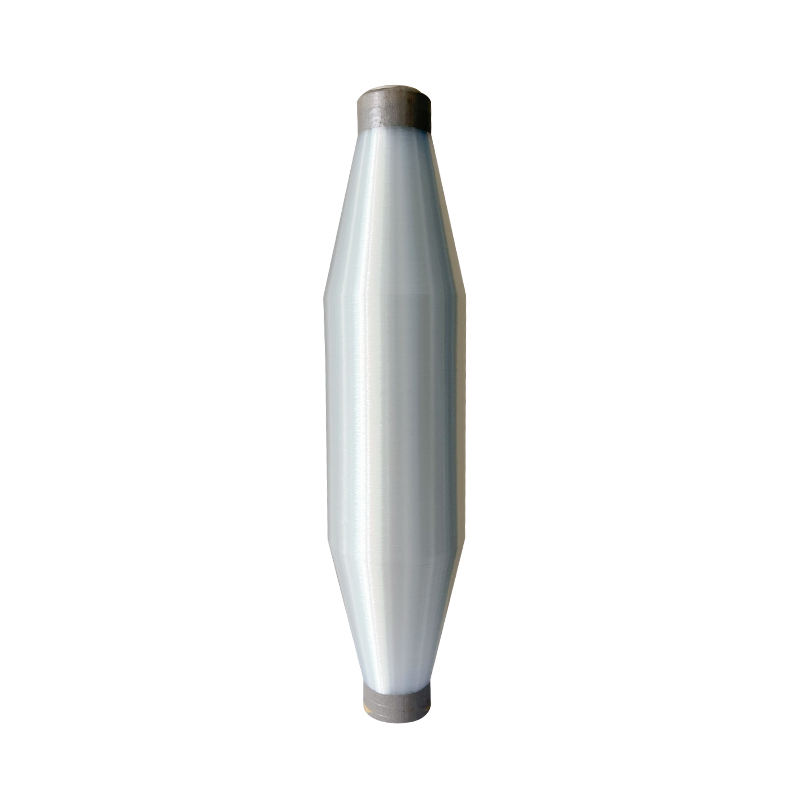
Polyester fantazi iplik standart ipliklerin başaramayacağı farklı görsel ve dokunsal efektler sunmak üzere tasarlanmış özel bir tekstil ipliği kategorisidir. Geleneksel ipliklerden farklı olarak fantazi iplikler, benzersiz yüzey dokuları ve estetik çekicilik yaratan ilmekler, düğümler, şantuklar, bükümler veya çeşitli renk bölümleri gibi düzensizliklerle kasıtlı olarak oluşturulur. Bu yapısal farklılıklar polyesterin doğal malzeme özellikleriyle birleştirildiğinde, sonuç, modern tekstil üretiminde önemli bir yer edinmiş, son derece işlevsel ve aynı zamanda dekoratif bir ipliktir.
Bir baz elyaf olarak polyester, başta polietilen tereftalat (PET) olmak üzere petrol bazlı sentetik polimerlerden türetilir. Çok çeşitli iplik yapım teknikleriyle uyumluluğu, onu fantazi iplik üretimi için ideal bir aday haline getiriyor. Üreticiler, polyester fantazi iplikleri yüksek parlaklık ve metalik parıltıdan yumuşak mat dokulara ve kalın boyutsal efektlere kadar belirli özellikler sergileyecek şekilde tasarlayabilir ve bu da onları hem tasarımcılar hem de tekstil üreticileri için inanılmaz derecede çok yönlü bir hammadde haline getirir.
Polyester Fantezi İpliğin Temel Özellikleri
Polyester fantazi iplik, estetik çeşitlilik ve performans güvenilirliğinin mühendislik kombinasyonu nedeniyle diğer iplik türlerinden ayrılıyor. Aşağıdaki özellikler bu iplik kategorisini benzersiz kılan şeyin ne olduğunu tanımlar:
Yapısal Çeşitlilik
Polyester fantazi iplikler çok çeşitli yapısal formlarda üretilmektedir. Yaygın türler arasında ilmek iplikler, şantuk iplikler, şönil iplikler, buklet iplikler, tüy iplikler ve metalik büküm iplikler bulunur. Her bir yapı, eğirme geriliminde, elyaf besleme hızında veya büküm işlemi sırasında ikincil ipliklerin eklenmesinde kontrollü değişikliklerle elde edilir. Bu yapısal çeşitlilik, tek bir malzemenin (polyester) nasıl işlendiğine bağlı olarak önemli ölçüde farklı görsel ve dokunsal sonuçlar üretebileceği anlamına gelir.
Renk Çok Yönlülüğü
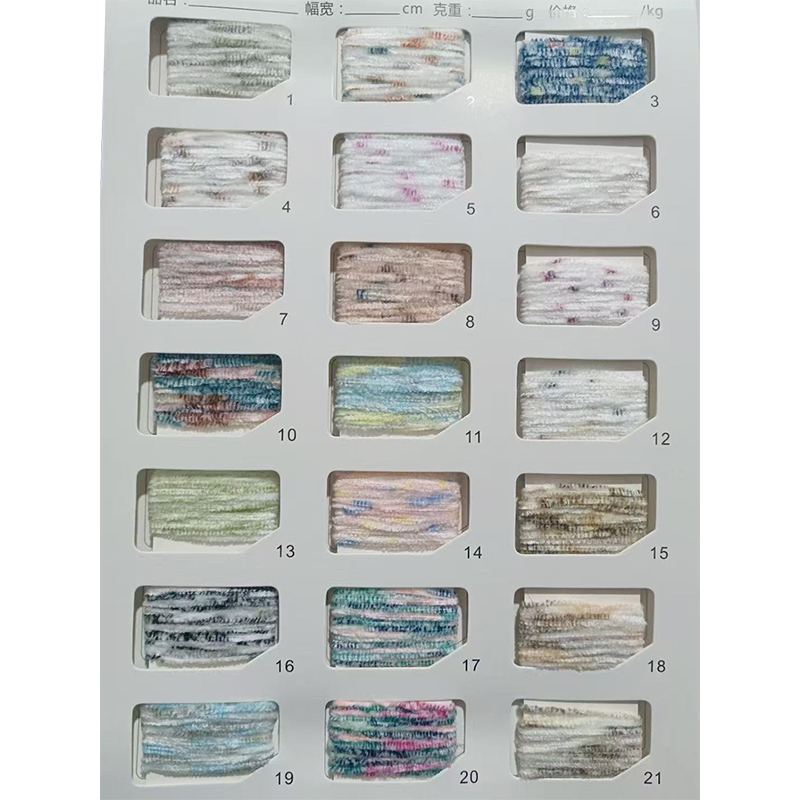
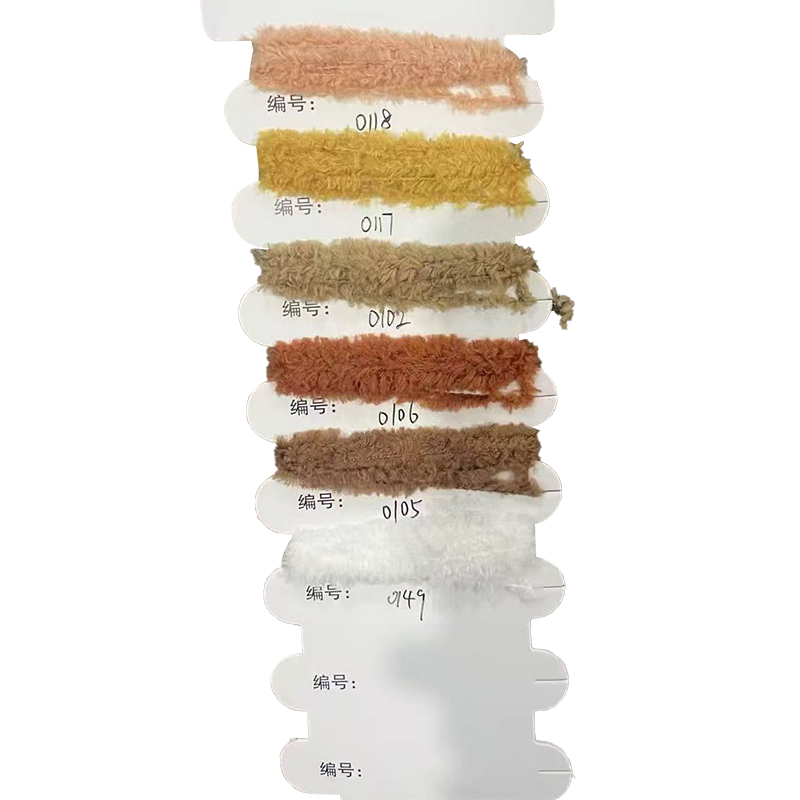
Polyester elyaflar, canlı, uzun ömürlü renkler üretmek için polimer yapısına nüfuz eden boyaları, özellikle de dispers boyaları son derece iyi kabul eder. Polyesterden üretilen fantazi iplikler düz renklerde, çok renkli karışımlarda, degrade efektli veya UV ışık altında renk değiştirme özelliğiyle üretilebilmektedir. Bu boya afinitesi, üreticilerin belirli pantone tonlarını eşleştirmesini veya moda öncüsü tüketicilere hitap eden degrade efektleri oluşturmasını kolaylaştırır.
Yüzey Dokusu ve Parlaklık
Üretim sırasında uygulanan elyaf kesiti ve apreye bağlı olarak polyester fantazi iplik, çok parlak ve ipeksiden, mat ve mata kadar değişebilir. Örneğin üç loblu polyester filamentler, ışığı doğal ipeğe benzer şekilde yansıtarak ipliklere lüks bir parlaklık kazandırır. Dokulu veya hava jeti ile işlenmiş varyantlar ise gündelik giyim ve ev tekstili için ideal olan daha yumuşak, daha dağınık bir yüzey üretir.
Polyester Fantazi İpliğin Avantajları
Polyester fantazi iplik, estetiğin ötesinde, onu birden fazla son kullanım sektöründe faaliyet gösteren üreticiler için tercih edilen bir seçim haline getiren etkileyici bir dizi performans avantajı sunuyor.
- Olağanüstü Dayanıklılık: Polyester elyaflar doğası gereği güçlüdür ve mekanik strese karşı dayanıklıdır. Polyester fantazi iplikten dokunmuş veya örülmüş kumaşlar, tekrarlanan yıkama ve giyme döngülerinden sonra bile yapısal bütünlüklerini korur ve bu da onları döşemelik ve iş kıyafetleri gibi yüksek kullanımlı uygulamalar için uygun hale getirir.
- Nem Yönetimi: Polyester hidrofobiktir, yani suyu kolayca emmez. Bu özellik, nemin cilt yüzeyinden uzaklaşmasını sağlayarak kullanıcının kuru ve rahat kalmasını sağlar. Bu aynı zamanda ipliğin yıkama sonrasında hızla kuruması anlamına gelir ve çamaşır bakımı sırasında enerji tüketimini azaltır.
- Kırışıklık ve Çekme Direnci: Pamuk veya yün gibi doğal elyafların aksine, polyester fantazi iplik yıkamada çekmez veya kolayca kırışmaz. Bu boyutsal stabilite giysi bakımını basitleştirir ve bitmiş ürünün zaman içinde orijinal şeklini ve görünümünü korumasını sağlar.
- Maliyet Verimliliği: Polyester dünya çapında mevcut en uygun maliyetli sentetik elyaflardan biridir. Fantezi ipliğin temeli olarak kullanıldığında, üreticilerin görsel olarak karmaşık, birinci sınıf görünümlü ürünleri rekabetçi bir fiyat noktasında üretmelerine olanak tanıyarak tedarik zinciri boyunca mükemmel değer sunar.
- UV ve Kimyasal Direnç: Yüksek kaliteli polyester elyaflar, ultraviyole bozunmasına ve yaygın ev kimyasallarına maruz kalmaya karşı iyi bir direnç gösterir. Bu, polyester fantazi ipliği özellikle uzun süre güneşe maruz kalan dış mekan tekstilleri ve dekoratif uygulamalar için çok uygun hale getirir.
- Karışım Uyumluluğu: Polyester fantazi iplik blends readily with natural and other synthetic fibers such as cotton, rayon, nylon, and wool. These blends allow manufacturers to tailor the final fabric's hand feel, breathability, and visual characteristics while retaining the structural benefits of polyester.
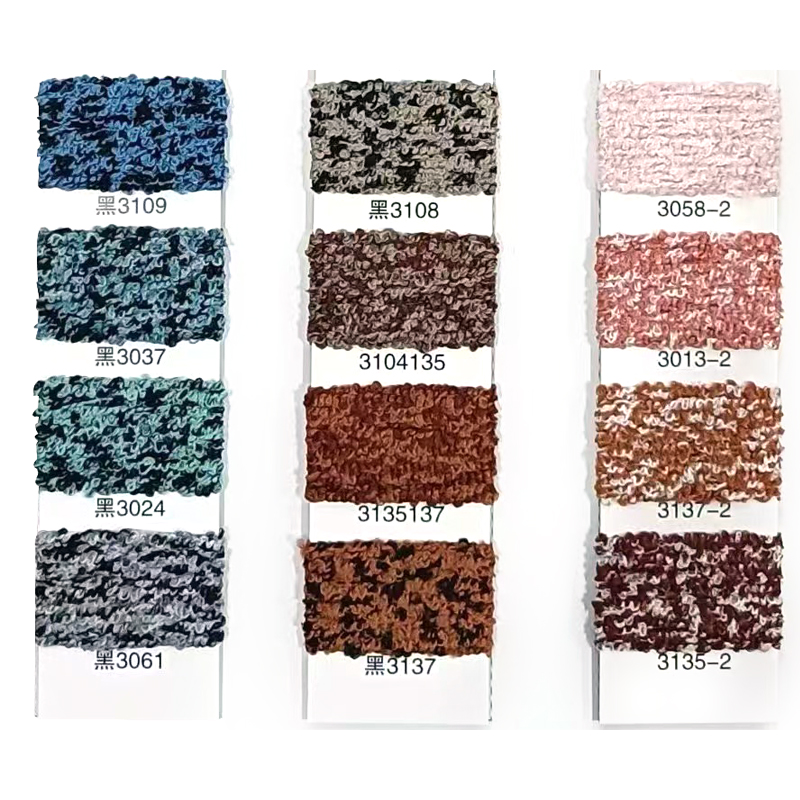
Yaygın Polyester Fantazi İplik Çeşitleri ve Özellikleri
Farklı polyester fantazi iplik türlerini anlamak, alıcıların ve tasarımcıların kendi özel uygulamaları için en uygun ürünü seçmelerine yardımcı olur. Aşağıdaki tablo en yaygın kullanılan varyantları özetlemektedir:
| İplik Tipi | Temel Özellikler | Tipik Kullanım |
| Şantuk İpliği | İplik gövdesi boyunca düzensiz kalın ve ince bölümler | Moda kumaşlar, keten görünümlü tekstiller |
| Döngü İpliği | Yumuşak, havadar bir doku için iplik yüzeyinde çıkıntılı ilmekler | Triko, ev dekorasyonu, eşarplar |
| Şönil İplik | Kadifemsi bir his için çekirdeğin etrafına sarılmış yoğun tüy | Döşemeler, battaniyeler, lüks giysiler |
| Metalik Fantezi İplik | İplik yapısına bükülmüş yansıtıcı metalik elemanlar | Gece kıyafetleri, dekoratif tekstiller |
| Tüy İplik | Tüy gibi merkezi bir çekirdekten uzanan ince lifler | Eşarplar, süsler, yeni trikolar |
| Buklet İplik | Engebeli, dokulu bir yüzey oluşturan aralıklarla kıvrılmış döngüler | Ceketler, paltolar, dekoratif dokumalar |
Polyester Fantazi İpliğin Endüstrilerdeki Uygulamaları
Görsel çekicilik ve pratik performansın birleşimi, polyester fantazi ipliği geniş bir endüstri yelpazesinde vazgeçilmez bir malzeme haline getirmiştir. Uygulamaları yüksek moda defilelerden gündelik ev eşyalarına kadar uzanıyor.
Moda ve Giyim
Moda endüstrisi polyester fantazi ipliğin en büyük tüketicisidir. Tasarımcılar ceketlere, paltolara ve eteklere dokusal ilgi katmak için şantuk ve buklet çeşitlerini kullanırken, metalik ve parıltılı fantezi iplikler gece kıyafeti koleksiyonlarının temelini oluşturuyor. Hızlı moda markaları, polyesterin maliyet verimliliğinden ve boyama kolaylığından yararlanarak, görsel kaliteden ödün vermeden trendlere duyarlı koleksiyonları hızlı bir şekilde üretmelerine olanak tanıyor. Triko hatları, lüks bir el hissi veren iddialı parçalar yaratmak için giderek daha fazla ilmek ve tüy iplikleri kullanıyor.
Ev Tekstili ve İç Dekorasyon
Ev tekstili sektöründe polyester fantazi iplik, yastık kılıfı, şal, battaniye, perde ve döşemelik kumaş üretiminde yoğun olarak kullanılmaktadır. Yumuşak, konforlu yüzeyi ile şönil ipliği özellikle koltuk kılıfları ve dekoratif yastıklarda popülerdir. Polyesterin dayanıklılığı, bu ev döşeme ürünlerinin günlük kullanıma, sık temizliğe ve iç mekan aydınlatmasına uzun süre maruz kalmaya, solmadan veya bozulmadan dayanmasını sağlar.
Aksesuarlar ve Süslemeler
Eşarplar, şapkalar, çantalar ve dekoratif süslemeler bir diğer önemli uygulama alanını temsil etmektedir. Tüy iplikler ve metalik fantazi iplikler, aksesuarları süslemek için yaygın olarak kullanılıyor ve basit ürünlerin algılanan değerini yükselten dokunsal ve görsel ilgi katıyor. Bu iplikler aynı zamanda hem moda hem de iç tasarım bağlamlarında kullanılan dekoratif şeritler, püsküller ve saçakların üretiminde de yaygın olarak kullanılmaktadır.
El Sanatları ve El Örgüsü Pazarları
Tüketici zanaat pazarı polyester fantazi ipliği coşkuyla benimsedi. Hobi örücüler ve tığ işi yapanlar, kullanım kolaylığı, makinede yıkanabilirlik ve minimum beceriyle ürettikleri çarpıcı görsel efektler nedeniyle bu iplikleri tercih ediyor. Bu segmenti hedefleyen üreticiler genellikle fantazi iplikleri, elyaf içeriği ve bakım talimatları hakkında net etiketlerle daha küçük yumaklar halinde paketliyor ve bu da onları yeni başlayanlardan deneyimli zanaatkarlara kadar geniş bir kitle için erişilebilir kılıyor.
Sürdürülebilirlik Konuları ve Yenilikler
Küresel tekstil endüstrisinde çevre bilinci arttıkça, polyester fantazi iplik üreticileri aktif olarak daha sürdürülebilir üretim yolları geliştiriyor. Tüketici sonrası plastik şişelerden ve tekstil atıklarından elde edilen geri dönüştürülmüş polyester (rPET), fantazi iplik üretiminde temel elyaf olarak giderek daha fazla kullanılıyor. Bu yaklaşım, karşılaştırılabilir performans özelliklerini korurken, işlenmemiş polyester üretimiyle ilişkili karbon ayak izini ve enerji tüketimini önemli ölçüde azaltır.
Petrol yerine yenilenebilir bitki kaynaklarından elde edilen biyo bazlı polyesterdeki yenilikler de, birçok üreticinin ticari ölçekli üretime öncülük etmesiyle ilgi kazanıyor. Ek olarak, susuz boyama teknolojilerindeki ve düşük etkili terbiye proseslerindeki gelişmeler, fantazi iplik üretiminde geleneksel olarak en kaynak yoğun adımlardan biri olan renklendirme aşamasının çevresel yükünü azaltıyor.
Sürdürülebilirlik hedeflerine bağlı markalar ve alıcılar için Global Geri Dönüşüm Standardı (GRS) ve OEKO-TEX Standard 100 gibi sertifikalar, polyester fantazi iplik tedarik ederken güvenilir kıyaslamalar sağlayarak ürünlerin tedarik zinciri boyunca tanımlanmış çevre ve güvenlik eşiklerini karşılamasını sağlar.
Doğru Polyester Fantezi İplik Nasıl Seçilir
Belirli bir proje için doğru polyester fantazi ipliğin seçilmesi, çeşitli faktörlerin dikkatle değerlendirilmesini gerektirir. Amaçlanan son kullanım, seçim sürecini yönlendirmelidir; lüks bir gece ceketi için uygun bir iplik, dayanıklı bir kanepe döşemelik kumaş için seçilen iplikten önemli ölçüde farklı olacaktır. Anahtar seçim kriterleri şunları içerir:
- İplik Numarası ve Ağırlığı: Daha ince numaralar hassas giysilere uygundur, daha ağır numaralar ise döşeme ve dış giyim için daha iyi sonuç verir.
- Büküm Seviyesi: Daha yüksek büküm seviyeleri genellikle daha güçlü, daha kompakt iplikler üretirken, düşük bükümlü iplikler daha yumuşak, daha dökümlü bir kalite sunar.
- Renk Haslığı Derecelendirmesi: Güneş ışığına maruz kalan veya sık yıkanan ürünler için, yüksek renk haslığı derecesine (ISO ölçeğinde Derece 4 veya üstü) sahip ipliklerin seçilmesi önemlidir.
- Elyaf Karışımı Bileşimi: Saf polyester ipliğin mi yoksa karışımlı bir çeşidin mi nihai ürünün performans ve konfor gereksinimlerini daha iyi karşıladığını düşünün.
- Sürdürülebilirlik Sertifikaları: Çevresel sorumluluğun öncelikli olduğu durumlarda rPET sertifikasyonu talep edin veya tedarikçinin tanınmış çevre standartlarına uygunluğunu doğrulayın.
Üreticiler ve tasarımcılar, bu teknik parametreleri tasarım amacı ve son kullanım gereklilikleri ile uyumlu hale getirerek, hem görsel olarak çarpıcı hem de uzun ömürlü ürünler yaratmak için polyester fantazi ipliğin tüm potansiyelinden yararlanabilirler.
BİZE ULAŞIN
Baoyi renk grafiğini görüntülemeniz, bir teklif almanız veya sorularınız varsa, aşağıdaki formu doldurarak sizi bizimle iletişime geçmeye davet ediyoruz.

HAKKINDA
ÜRÜN
BİZE ULAŞIN
-
 Shimen Town, Tongxiang, Jiaxing, Zhejiang, Çin.
-
 +86-18357386869
-
 [email protected]
Telif Hakkı © Tongxiang Baoyi Textil Co., Ltd. Tüm hakları saklıdır.
